Woodstock, Southeast Portland
ADU Builder in Woodstock, OR
Tell us about your Woodstock lot and an independent local contractor will follow up.
A deep backyard, a long way from the street
Woodstock is a neighborhood in Southeast Portland, centered on the shops and restaurants along SE Woodstock Boulevard, with Reed College nearby and Woodstock Park within the neighborhood. Many lots here are deep, with a long backyard behind a modest house. That depth is what makes a new detached ADU possible on many Woodstock properties, and it also drives most of the practical decisions.
Homeowners anywhere in Woodstock can send a request through ADU Builder Portland. We do not do construction; we are a referral service. We hand your request to an independent local contractor, who calls you, walks the lot, and prepares an estimate under their own agreement. The sections below explain what a deep lot means for a new backyard unit.
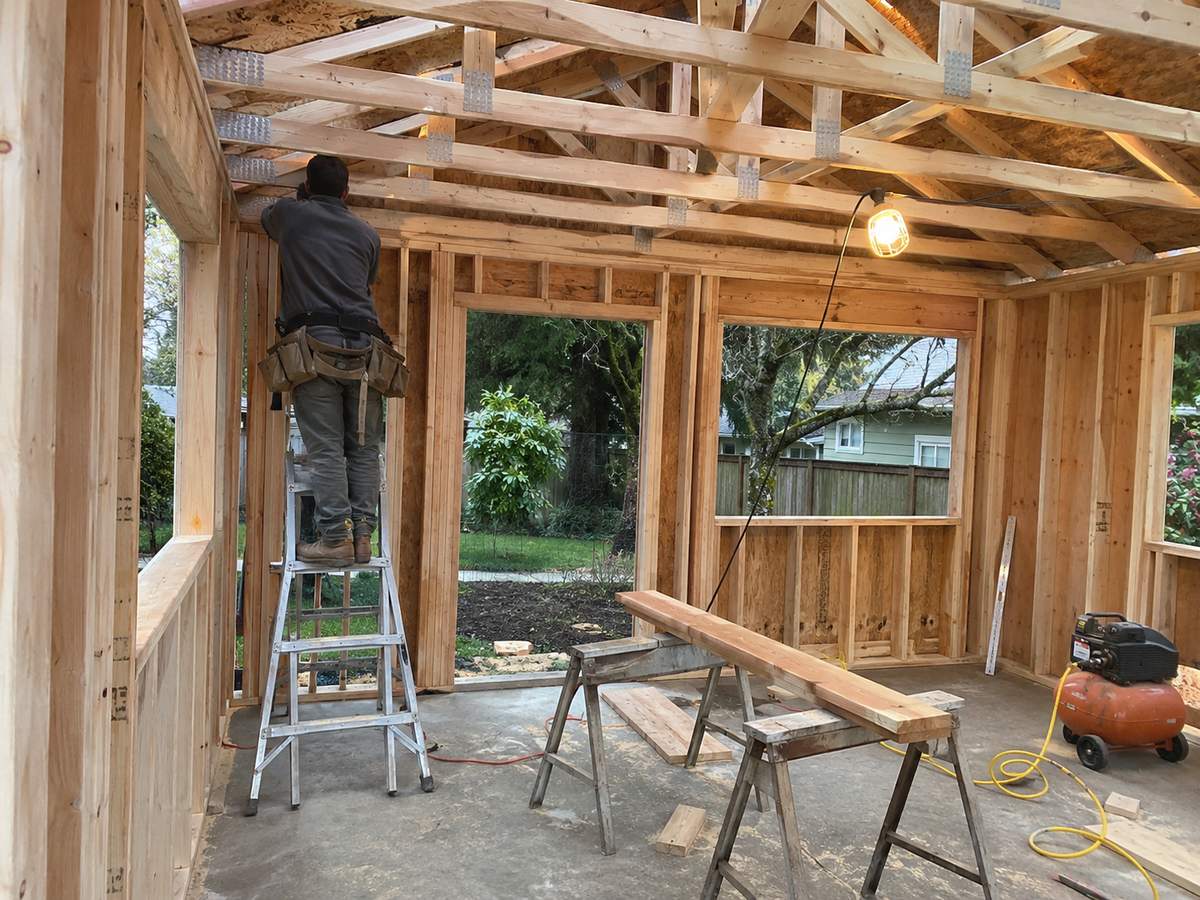
Why lot depth helps and where it costs
A deep lot gives you room to put a detached ADU well behind the main house, with its own outdoor space and some privacy for both households. It can also leave room for trees, a garden or a shared patio between the two buildings.
The trade is distance. Every utility the new unit needs, water, sewer, electricity and possibly gas, has to travel from the street or the main house to the back of the lot. The farther back the ADU sits, the longer the trenches and the more yard that gets dug up along the way. A contractor will look at where each line can run, what is in the way, such as patios, trees or the house foundation, and how the yard will be restored. Moving the ADU a little closer can sometimes simplify the job without giving up much privacy.
Sewer and water: from the street or the house
Sewer is usually the first question, because it relies on gravity. The new unit's drains have to slope toward the point where they join the main house's sewer line or a new connection at the street. On a long lot, a contractor checks the elevation of the ADU site against that connection point. If the back of the lot sits low, a pump may be needed, which adds equipment and upkeep.
Water can come from the existing service at the main house or from a new service at the street. Sharing the existing line is often simpler, but a long run can reduce pressure at the far end, especially if the existing service is small or old. In Woodstock, water comes from the Portland Water Bureau and sewer is handled by the city's Bureau of Environmental Services. Ask the contractor which approach they recommend for your lot and why.
Separate meters or shared ones
Many owners want the ADU to have its own electric meter, and sometimes its own water meter, so each household sees its own use. A separate electric meter usually means either a new service from the utility to the ADU or a second meter at the main house feeding a panel out back. Either way, the utility and the city both have a say, and the main house service may need an upgrade to carry two homes.
Shared meters are simpler to build, but they leave you to split the bills. The right choice depends on how the unit will be used. A family member living out back may be fine on a shared meter, while a tenant usually is not. Tell the contractor your plan at the start, because metering changes the electrical design, the panel locations and the route of the trench.
Getting equipment to the back of the lot
A deep lot is only useful if machines and materials can reach the back of it. When the house fills most of the lot's width, a single side yard may be the only route in. A narrow gap, a fence, a chimney or an overgrown hedge can limit what fits. Compact excavators pass through tight spaces, but concrete, lumber deliveries and any factory-built parts all need a plan.
A contractor may suggest pumping concrete from the street through a hose, moving materials by hand cart, or taking down a fence section for the duration of the job. If the lot backs onto another property, a neighbor's cooperation can open a second route. Measure the narrowest point between the house and the property line and include it in your request. It is one of the first things a contractor will ask about.
What to include in a request from Woodstock
Start with the lot. Give the approximate width and depth if you know them, where the house sits, and where you picture the ADU. Mention the narrowest route to the backyard, what is in it, and whether there is an alley or a second street behind the lot.
Then describe the utilities you know about: where the water meter and sewer cleanout are, the age and size of the electrical panel, and whether the house has gas. Say whether you want separate meters and how the unit will be used. Note large trees, sheds, patios or slopes in the backyard. Photos taken from the street, along the side yard, and from the back of the lot looking toward the house give the contractor a clear picture before they visit.
A deep Woodstock lot can hold a backyard home with real privacy. Planning the utility runs and access early keeps that distance from becoming the hardest part of the job.
Services in Woodstock, OR
ADU Builder
The full path of an accessory dwelling unit, from the first feasibility questions to move-in, and the choices that shape the budget.
ADU Builder in Woodstock →Detached ADU
A new backyard building: where it can sit on the lot, how it gets a foundation and utilities, and prefab versus site-built.
Detached ADU in Woodstock →Garage Conversion ADU
Turning a garage into a home: checking the slab, walls and roof, keeping it dry and warm, and replacing the big door.
Garage Conversion ADU in Woodstock →Basement ADU
Making a basement into a separate home: ceiling height, egress, its own entrance, dry walls and floors, and separation from upstairs.
Basement ADU in Woodstock →Attached ADU
An ADU joined to the main house, as an addition or a carved-out section, with its own entrance and proper separation.
Attached ADU in Woodstock →ADU Design and Permitting
The paperwork side of an ADU: feasibility, zoning questions, drawings, engineering, permit review, inspections, utilities and addressing.
ADU Design and Permitting in Woodstock →Why Woodstock Homeowners Start Here
One request for the whole lot
Describe the lot, the access and the utilities once, and we pass it to an independent local contractor who works in Southeast Portland.
Site planning comes from the contractor
The contractor walks the lot, studies utility routes and access, and provides the estimate, contract and any warranty.
You decide
A request carries no obligation. Compare the estimate with your plans before you commit to anything.
Verify before you sign
Look the contractor up with the Oregon Construction Contractors Board (CCB) and ask for proof of insurance before work begins.
Questions From Woodstock, OR
Does a deep lot in Woodstock make a detached ADU easier?
It gives you more choice about placement and privacy. It also means longer utility trenches and a longer route for materials and equipment. A contractor will weigh the benefits of a far-back location against the extra work of reaching it.
Can a Woodstock ADU have its own electric meter?
Often, yes. A separate meter needs coordination with the electric utility and may require upgrading the main house service. The contractor can explain the options for your lot and how each one changes the electrical work and the trench layout.
What if the back of my Woodstock lot sits lower than the sewer connection?
The new unit's drains may not reach the sewer by gravity alone. A contractor checks elevations early, and if the slope does not work, a pump system may be needed. It is a common issue on long lots and worth raising in your request.
Who issues permits for a detached ADU in Woodstock?
Woodstock is in the City of Portland, so building permits come from Portland Permitting & Development. Water and sewer connections involve city bureaus as well. Your contractor should say which permits they expect and who will apply for them.
Local Resources for Woodstock, OR Homeowners
Call for a Free Estimate in Woodstock, OR
Describe your Woodstock lot, its access and its utilities, and an independent local contractor will contact you about an estimate.